
Investing in high-quality air filters is a wise choice for landlords seeking to improve tenant satisfaction and protect their properties. Superior air filtration promotes healthier indoor environments, reducing allergens, pollutants, and odours while boosting tenant comfort. Enhanced air quality benefits landlords by lowering maintenance costs, extending HVAC lifespan, and attracting long-term tenants. Additionally, energy-efficient filters reduce utility costs, making rental properties more affordable and appealing.
This article explores the advantages of high-grade air filters, demonstrating how they support landlord interests in multiple, impactful ways.
What is MVHR?
Mechanical Ventilation with Heat Recovery (MVHR) is a ventilation system that efficiently exchanges and filters air in buildings. It extracts stale indoor air, recovers heat from it, and transfers that heat to incoming fresh air. This process reduces energy costs by maintaining warmth in winter and removing excess heat in summer. MVHR systems filter pollutants, allergens, and moisture, promoting healthier indoor environments for occupants. Often used in airtight or well-insulated buildings, MVHR enhances indoor air quality, energy efficiency, and overall comfort for residents.
What Are MVHR Machines?
Mechanical Ventilation with Heat Recovery (MVHR) machines are advanced ventilation systems designed to improve indoor air quality while conserving energy. These systems typically consist of several key components, including a heat exchanger, fans, filters, and ductwork. The heat exchanger transfers heat from outgoing stale air to incoming fresh air, effectively preheating it and reducing energy costs. Fans ensure efficient airflow, while filters trap dust and allergens, promoting healthier indoor environments. Properly installed MVHR systems can significantly enhance comfort levels in homes, making them an ideal solution for energy-efficient living.
Why Landlords Should Use M5 Grade MVHR Filters
Using higher-grade MVHR filters, such as M5, offers significant advantages for landlords by enhancing indoor air quality. These filters effectively reduce dust and better filter allergens, ensuring a healthier environment for tenants. Improved filtration helps to minimise respiratory issues, which can lead to increased tenant satisfaction and retention. Additionally, higher-grade filters contribute to the overall efficiency of the MVHR system, reducing energy costs associated with heating and cooling. Investing in quality filters ultimately protects the property and enhances its value, benefiting landlords in the long run.
How M5 Grade MVHR Filters Maintain Landlord’s Properties Long-Term
Using M5 grade filters in MVHR systems helps maintain landlords’ properties in better condition over the long term. These filters effectively capture finer dust particles and allergens, reducing the risk of mould and dampness. By preventing excess moisture and airborne pollutants, M5 filters contribute to a healthier indoor environment. This can prolong the life of structural components and furnishings. This proactive approach to air quality management not only preserves the property’s condition but also enhances tenant satisfaction. Therefore, this makes M5 Grade MVHR Filters a wise investment for landlords.
What Grade MVHR Filters Should I Use in my Rental Property?
Landlords should use M5 grade MVHR filters in their rental properties to enhance air quality and protect their investments. These filters effectively capture smaller particles and allergens, significantly reducing dust and improving overall indoor conditions. By minimising moisture and pollutants, M5 filters help prevent mould growth. Therefore, M5 MVHR filters help safeguard the property’s structural integrity and prolonging the lifespan of furnishings. This proactive investment not only contributes to tenant satisfaction but also reduces long-term maintenance costs.
How Does MVHR Affect Renters?
For renters, Mechanical Ventilation with Heat Recovery (MVHR) greatly improves indoor air quality, creating a healthier living environment. It continuously replaces stale air with fresh, filtered air, reducing allergens, moisture, and odours. MVHR systems also help stabilise indoor temperatures, keeping spaces comfortable without high heating or cooling costs. By maintaining lower humidity levels, they minimise the risk of mould growth, which can cause property damage and health issues. Renters experience better comfort, reduced energy bills, and fewer respiratory concerns, making properties with MVHR systems highly attractive and beneficial.
Does My Rental Property Have MVHR?
To determine if your rental property has MVHR, look for wall or ceiling vents connected to a central ventilation system. These vents often appear in main living areas, bathrooms, and kitchens, helping circulate fresh, filtered air. Another indication is a control panel typically located in a utility area or hallway, allowing adjustment of ventilation settings. You may also notice reduced condensation on windows, even during colder months, thanks to efficient humidity control.
What Are MVHR Filters?
MVHR filters are essential components that clean incoming and outgoing air, enhancing air quality in properties with MVHR systems. Made from synthetic materials, these filters capture dust, pollen, and pollutants. Common types include G3, G4, and M5, each offering different levels of filtration efficiency. G3 filters capture large particles like dust, while G4 filters provide finer filtration, catching smaller airborne particles. M5 filters are more advanced, effectively trapping smaller pollutants, making them ideal for allergen-sensitive environments. Regularly replacing MVHR filters ensures optimal performance and maintains a healthy, clean indoor atmosphere.
How Does MVHR Benefit Renters?
MVHR systems benefit renters by continuously supplying fresh air, reducing pollutants, and improving indoor air quality without needing windows open. This helps maintain a stable, comfortable temperature year-round, lowering heating and cooling costs for tenants. By controlling indoor humidity, MVHR also prevents mould growth, protecting renters from potential health issues and property damage. Clean, filtered air minimises allergens, making it ideal for renters with respiratory sensitivities or allergies. Altogether, MVHR provides a healthier, more energy-efficient living space, enhancing renters’ comfort and reducing their energy expenses.
How MVHR Helps Reduce Airborne Infections
Incorporating MVHR systems in rental properties can significantly enhance indoor air quality, which is especially important post-COVID. A BBC article highlighted that improving ventilation to mitigate airborne infections adds minimal costs—less than 1% of typical building expenses. This investment promotes a healthier living environment and can also protect landlords from potential health liabilities related to poor air quality. As awareness of ventilation’s importance grows, landlords upgrading to MVHR systems may attract more tenants and charge higher rents.
MVHR Reduces Energy Bills
Mechanical Ventilation with Heat Recovery (MVHR) systems significantly reduce energy bills by improving a home’s energy efficiency. By recovering heat from outgoing air, these systems preheat incoming fresh air, reducing the energy required for heating. This efficient process allows homeowners to maintain comfortable temperatures without relying heavily on traditional heating methods. Additionally, MVHR systems optimise airflow, ensuring that energy is not wasted on heating or cooling unfiltered air. According to experts, the overall savings on energy bills can be substantial, making MVHR systems a cost-effective solution for homeowners.
BBC Report on How Renewables Reduce Energy Bills
Using renewable energy sources significantly helped one homeowner reduce her bills while improving her home’s quality. By installing solar panels and a heat pump, she dramatically lowered energy costs, making her bills more manageable. This transition not only decreased her reliance on traditional energy sources but also enhanced her home’s comfort. This meant maintaining a consistent temperature throughout the year. The investment in renewables not only benefited her finances but also contributed to a more sustainable living environment. For more details, you can read the full article here.
How “Awaab’s Law” Affects Landlords
Recent discussions about mould in rental properties have been intensified by the tragic case of Awaab Ishak, a two-year-old who died due to chronic exposure to mould in his home. Following this incident, new legislation known as “Awaab’s Law” was introduced. This legislation mandates social landlords to address reported damp and mould issues within strict timeframes. The Social Housing (Regulation) Act 2023 ensures landlords are accountable for maintaining safe, healthy living conditions in their properties. The Housing Secretary stated, “landlords who continue to drag their feet over dangerous damp and mould will face the full force of the law”. This legislation marks a significant step towards improving living conditions and safeguarding tenants from health hazards associated with mould.
“I Wish I’d Installed MVHR In My Property Sooner”
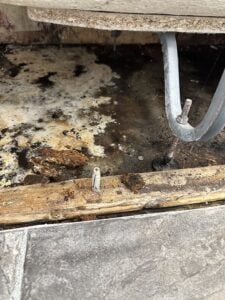
Sheldon, a property owner in Surrey, recently faced significant challenges after his ground floor maisonette’s last tenant left. Upon inspection, he discovered extensive mould throughout the house, primarily caused by poor ventilation and tenant neglect. “The mould had spread everywhere; it was shocking to see how bad it had gotten,” he remarked. To remedy the situation, Sheldon and his son spent over £2,000 on necessary repairs. Their work involved completely gutting and replacing the bathroom, skimming all the walls, and repainting with heavy-duty anti-mould paint. “If the house had proper ventilation, this wouldn’t have happened,” he noted, reflecting on the preventable nature of the damage. They also had to dry out the bathroom using an industrial dehumidifier, which removed an astonishing 150 litres of water. Now, with a single-room MVHR system installed in the bathroom, Sheldon hopes to prevent future mould issues and improve the overall air quality in his property.
How Ventilation Reduces Long-Term Maintenance Costs For Landlords
Proper ventilation is crucial for landlords, as it significantly reduces long-term maintenance costs and enhances tenant satisfaction. By preventing mould and damp issues, landlords can avoid expensive repairs and potential legal liabilities associated with poor living conditions. Regularly replacing MVHR filters aids in maintaining optimal air quality and system efficiency, ensuring that the ventilation system operates effectively. This proactive approach improves indoor air quality and prolongs the lifespan of HVAC systems, ultimately saving landlords money over time. Investing in proper ventilation strategies, including filter replacements, pays off in reduced energy bills and happier tenants.
The Affects of Mould on a Property
Poor ventilation can lead to excess moisture accumulation in properties, creating an ideal environment for mould growth. When humidity levels rise due to inadequate airflow, moisture condenses on surfaces, promoting mould spores to thrive. This not only damages walls, ceilings, and furnishings but also poses health risks to occupants. This can lead to potential respiratory issues and allergies. The presence of mould can significantly decrease a property’s value and appeal, making it harder to rent or sell. Addressing ventilation issues is crucial for maintaining a healthy living environment and protecting property investments.
Financial Impact of Untreated Mould For Landlords
Mould and damp issues in rental properties can lead to significant financial risks for landlords. Properties with mould may incur costly repairs, as structural damage can escalate if not addressed promptly. Additionally, landlords may face decreased property values and difficulties in attracting quality tenants, ultimately affecting rental income. Properties with persistent damp issues often require extensive remediation work, including replacing affected materials and replacing flooring and wallpaper. Furthermore, landlords could encounter legal repercussions and compensation claims if tenants report unsatisfactory living conditions. This has been highlighted by the recent introduction of “Awaab’s Law” to ensure timely repairs. Investing in proper ventilation and regular maintenance is essential to mitigate these risks and protect property investments.
Can I Be Sued By My Tenant For Poor Living Conditions?
Tenants living in damp and mould-infested properties can pursue legal action against landlords for damages. Under current legislation, including the upcoming “Awaab’s Law,” landlords must address reported health hazards within specified timeframes. Failure to comply can result in serious legal repercussions. If tenants suffer from reduced quality of life due to mould and damp issues, they may file claims for compensation. The Housing Ombudsman has indicated that landlords can face maladministration findings for neglecting their responsibilities, which can lead to further penalties. Legal action can be costly, and landlords may also incur fees for repairs and damages awarded to tenants.
Tenant Successfully Sues Landlord For “Extensive Mould”
In a significant legal case, a tenant in Sydney successfully sued their landlord for $5,000 AUD due to extensive mould issues in their property. The tenant detailed ongoing problems with water damage, leading to severe mould growth that made the home uninhabitable. After multiple ignored requests for repairs, they took their case to the NSW Civil and Administrative Tribunal (NCAT). Here they were awarded compensation for their case. This amount converts to approximately £2,600, highlighting the financial implications for landlords failing to maintain safe living conditions.
Affects of Mould on Tenants Health
Mould in rental properties can significantly affect tenants by degrading their living environment and overall quality of life. Exposure to mould can lead to various health issues, including respiratory problems, allergies, and skin irritations. Beyond health concerns, mould creates unpleasant odours and can damage personal belongings, leading to financial losses. Tenants may also experience stress and anxiety due to ongoing issues with mould, contributing to a negative living experience. Ultimately, landlords must address mould promptly to ensure tenant satisfaction and maintain property value.
Affects of Mould on Children in Rented Properties
Mould in properties can have particularly harmful effects on children, who are more vulnerable to respiratory issues and allergies. Exposure to mould can lead to chronic coughing, wheezing, and even asthma attacks in sensitive individuals. Additionally, children may experience skin irritations or infections as a result of mould exposure. The psychological impact of living in a mould-infested environment can also be significant. This can cause anxiety and stress for both children and their families. It is crucial for landlords to address mould issues promptly to protect the health and well-being of young tenants.
Affects of Mould on The Elderly in Rented Properties
Mould in properties can have severe consequences for elderly individuals, who often have weakened immune systems and pre-existing health conditions. Exposure to mould can lead to respiratory issues, exacerbating conditions like asthma and chronic obstructive pulmonary disease (COPD). Older adults may also experience increased susceptibility to infections due to mould-related allergens. Furthermore, living in mould-infested environments can lead to heightened anxiety and decreased quality of life. This makes it essential for landlords to promptly address mould problems to protect their elderly tenants’ health and well-being.
Replacing MVHR Filters to Control Damp
Replacing MVHR filters regularly is essential for controlling damp and mould in properties. Clean filters ensure efficient airflow, reducing moisture accumulation and enhancing indoor air quality. It is generally recommended to replace MVHR filters every six to twelve months, depending on usage and environmental factors. Regular maintenance improves the system’s performance whilst also helping prevent mould growth. This safeguardes the health of tenants and protecting the property. Landlords should establish a routine to check and replace filters to maintain optimal ventilation and indoor conditions.
Mould Can Damage Brickwork
Mould can significantly damage brickwork and a property’s structural integrity by penetrating the material and weakening it over time. Excess moisture promotes decay and can lead to crumbling mortar, which compromises the stability of walls. Effective ventilation is crucial in mitigating these issues. This is because it reduces humidity levels and prevents moisture build-up that fosters mould growth. By maintaining consistent airflow, landlords can protect their properties from the damaging effects of mould. Regular checks and proper ventilation systems are essential for maintaining a healthy, durable environment.
In Conclusion…
In conclusion, addressing mould and damp issues in rental properties is crucial for protecting both tenants and landlords. Proper ventilation, including regular maintenance of MVHR systems, plays a vital role in preventing mould growth and preserving structural integrity. By investing in adequate ventilation solutions and promptly addressing any issues, landlords can safeguard their properties. They also enhance tenant satisfaction, and reduce long-term costs. Taking these proactive measures not only promotes a healthier living environment but also ensures the longevity and value of their investments.