Allergies can make life miserable, especially indoors, where allergens like dust, pollen, mould spores, and pet dander tend to accumulate. For those prone to allergies or asthma, maintaining clean air at home is essential for health and comfort. One effective solution gaining popularity is the use of Mechanical Ventilation with Heat Recovery (MVHR) systems. MVHR technology not only helps in keeping indoor well-ventilated but also plays a vital role in filtering out common allergens. In this post, we’ll explore how MVHR systems work and their unique benefits for reducing allergens. We’ll also consider what filters to choose to help maintain an MVHR system for optimal air quality in your home.
What is MVHR?
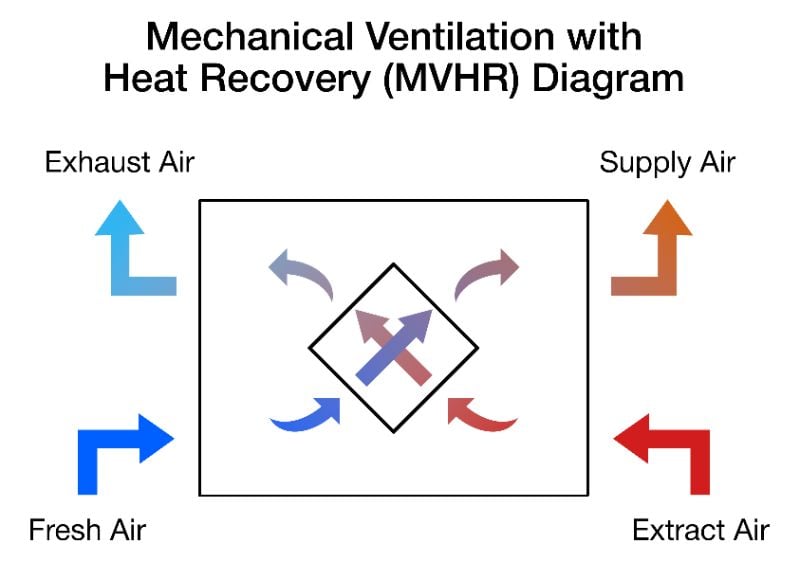
Mechanical Ventilation with Heat Recovery (MVHR) is a home ventilation system designed to improve indoor air quality while conserving energy. Unlike standard ventilation systems that simply exhaust stale air and bring in fresh air, MVHR works by extracting warm, humid air while filtering out particles and allergens, and passing it through a heat exchanger. This transfers warmth from the outgoing air to the incoming fresh air, ensuring a flow of pre-warmed, filtered air. By circulating filtered air while recovering the heat that would otherwise be lost, MVHR systems create a comfortable indoor environment.
What are MVHR filters?
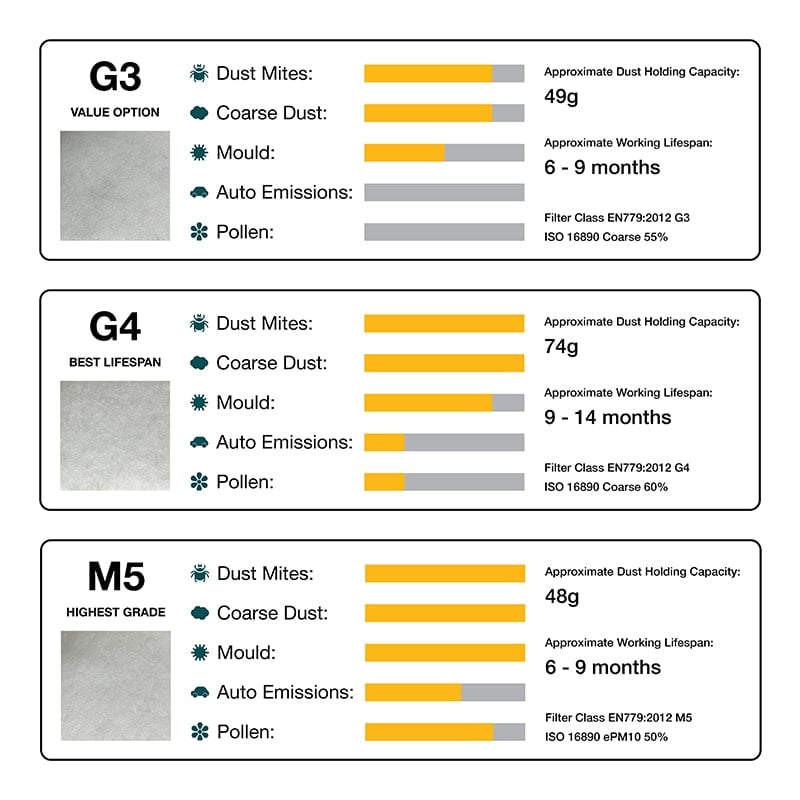
MVHR systems use specialised filters, typically categorised as G3, G4, or M5. These filters capture airborne particles and reduce allergens like dust, pollen, mold spores, and pet dander from indoor air. These filters vary in their level of filtration efficiency. G3 and G4 filters are coarse-grade and are effective at trapping larger particles. This makes them suitable for basic air purification and protecting the system’s components from dust buildup. For finer allergen control, M5 filters offer a higher level of filtration. This means they can capture smaller particles and provide an added layer of protection for individuals sensitive to allergens. By continually filtering both incoming and outgoing air, these filters help reduce the number of allergens circulating indoors. Regularly replacing or cleaning these filters ensures the MVHR system maintains optimal performance and air quality throughout the year.
What are allergens?
Allergens are substances that can trigger allergic reactions in sensitive individuals, causing symptoms like sneezing, itching, watery eyes, or even respiratory issues. In homes, common allergens come from various sources and can accumulate quickly if not properly managed. Dust mites, microscopic creatures found in household dust, are one of the most prevalent indoor allergens, thriving in soft furnishings, bedding, and carpets. Pollen, which is often carried indoors on clothing or through open windows, can linger in the air or settle on surfaces, irritating those with seasonal allergies. Mould spores, especially in damp or poorly ventilated areas, can also be potent allergens, leading to respiratory discomfort and even asthma symptoms. Additionally, pet dander—tiny flakes of skin and dried saliva shed by cats, dogs, and other animals—can trigger reactions for many, as it easily becomes airborne and spreads throughout the home. Understanding these common indoor allergens is the first step in creating a healthier living environment, especially for those who are allergy-prone.
How do MVHR systems help reduce allergens?
MVHR (Mechanical Ventilation with Heat Recovery) systems are effective in reducing allergens by continuously refreshing and filtering indoor air. Unlike standard ventilation, which simply brings outside air in, MVHR systems filter this air before it enters the home. The filters capture common allergens like dust, pollen, mould spores, and pet dander. As air circulates, MVHR systems extract stale air from indoors, removing pollutants and moisture that can contribute to mould growth. By constantly balancing airflow and maintaining humidity levels, MVHR minimises the conditions that allow allergens to thrive. This continuous air exchange not only reduces the concentration of allergens but also promotes better indoor air quality. This creates a healthier environment for allergy sufferers and those with respiratory sensitivities.
How does replacing MVHR filters regularly help with allergens?
Regularly replacing MVHR filters is essential for effective allergen reduction and maintaining good indoor air quality. Over time, MVHR filters collect dust, pollen, mould spores, and other airborne particles, which can clog the filters and reduce their efficiency. As filters become saturated with allergens, they lose their ability to effectively trap new particles. This allows allergens to circulate back into the living space and diminishing the MVHR system’s benefits. Additionally, clogged filters force the system to work harder, potentially reducing its lifespan and increasing energy costs. Routine filter replacement ensures that the MVHR system continues to provide clean, allergen-free air and optimises airflow. This keeps allergens at bay and maintains a healthy home environment. For allergy-prone households, changing filters according to the manufacturer’s recommendations is a crucial step toward sustaining a comfortable space.
Why choose M5 filter grade for your MVHR system?
Using M5 grade filters in an MVHR system is particularly beneficial for reducing allergens due to their higher filtration efficiency. M5 filters are medium-grade filters capable of trapping smaller particles than basic G3 or G4 filters. This makes them more effective at capturing common indoor allergens such as pollen, mould spores, dust, and pet dander. This finer filtration provides extra protection, especially important for households with allergy sufferers. This includes individuals with asthma, as it minimises the number of microscopic particles circulating in the air. Trapping these particles helps maintain healthier indoor environment, reducing the likelihood of allergy symptoms triggered by airborne irritants. Additionally, using M5 filters can improve the overall efficiency of the MVHR system by keeping ducts and ventilation components cleaner. This ensures the system operates optimally while maintaining high air quality.
How do MVHR filters help with pollen allergies?
MVHR filters play a crucial role in alleviating pollen allergies by reducing the amount of pollen that enters indoor spaces. During pollen season, outdoor allergens can infiltrate homes through open windows and doors, as well as on clothing and pets. MVHR systems are equipped with filters that trap these airborne pollen particles before they circulate within the home. By using M5 grade filters, MVHR systems can reduce the concentration of pollen indoors, creating a more comfortable environment for allergy sufferers. Moreover, these systems continuously exchange stale indoor air with filtered air, which helps dilute the remaining allergens, further minimising exposure. This proactive approach not only mitigates allergy symptoms but also enhances overall indoor air quality. Thus providing a sanctuary for those sensitive to pollen.
How do MVHR filters help with pet allergies?
MVHR filters are effective in managing pet allergies by reducing pet dander, hair, and other allergens in the indoor environment. Pet dander consists of flakes of skin, saliva, and urine that can become airborne, triggering allergic reactions in sensitive individuals. MVHR systems equipped with quality filters continuously circulate and refresh indoor air, capturing these allergens before they can spread. Specifically, M5 grade filters are adept at trapping these fine particles, preventing them from recirculating and settling on surfaces. By using MVHR filters, pet owners can create a cleaner and healthier living space. This minimises exposure to allergens that can lead to respiratory discomfort and other allergy symptoms. This helps improve the well-being of those with pet allergies and also contributes to a more pleasant home environment.
How do MVHR filters help with dust allergies?
MVHR filters are highly effective in alleviating dust allergies by actively capturing and removing dust particles from the air. Dust can consist of various irritants, including dirt, skin flakes, hair, and other microscopic debris that can trigger allergic reactions. MVHR systems equipped with high-quality filters continuously exchange stale indoor air for fresh air. They do this while filtering out these allergens before they circulate throughout the living space. Specifically, M5 grade filters can effectively trap fine dust particles, significantly reducing their concentration indoors. This filtration process helps to minimise allergy symptoms such as sneezing, coughing, and itchy eyes.
It also contributes to a cleaner home environment by reducing dust accumulation on surfaces. By using MVHR filters, homeowners can create a healthier atmosphere, making it easier for those with dust allergies.
What are the additional benefits of MVHR systems?
In addition to significantly reducing allergens, MVHR systems offer a range of benefits that enhance overall indoor air quality. One key advantage is their ability to regulate humidity levels, which helps prevent the growth of mould and mildew. These are common issues in damp environments that can exacerbate allergies and respiratory problems. MVHR systems also promote energy efficiency by recovering heat from outgoing air. This allows homes to maintain a comfortable temperature without excessive reliance on heating systems. This not only reduces energy costs but also lowers the environmental impact. Furthermore, MVHR systems operate quietly providing a supply of fresh air without the disruptive noise often associated with traditional ventilation. By maintaining optimal indoor air conditions, MVHR systems contribute to a healthier, more comfortable living environment for all occupants.
What are the popular MVHR system manufacturers?
When considering a Mechanical Ventilation with Heat Recovery (MVHR) system, it’s essential to recognise some of the leading manufacturers. Brands like Vent-Axia, Nuaire, EnviroVent, and Vectaire each offer a range of products tailored to meet various ventilation needs. These manufacturers help improve indoor environments by providing efficient MVHR systems that help reduce allergens and promote healthier living spaces.
How to clean MVHR filters?
Cleaning MVHR filters with a vacuum can prolong their lifespan and maintain the efficiency of your ventilation system. Regularly vacuuming the surface of the filters helps remove accumulated dust and larger particles. This ensures that the airflow remains unobstructed and that the system operates effectively. However, it’s important to note that while this maintenance practice can extend the life of your filters, it does not replace the necessity of complete filter replacement. To ensure optimal performance and air quality, MVHR filters should be replaced every 6 to 12 months. This depends on usage and the level of airborne allergens in your home. Regular replacement is crucial, as even cleaned filters can become less effective over time and may allow allergens to recirculate. By combining vacuuming with timely filter replacements, you can significantly enhance indoor air quality and create a healthier living environment.
Where should I buy MVHR filters for allergies?
Purchasing compatible replacement MVHR filters from MVHR.shop is an excellent choice for those looking to manage allergies effectively while ensuring optimal system performance. MVHR.shop offers M5 grade filters, which are designed to capture smaller allergens such as pollen, dust, and pet dander. By regularly replacing your MVHR filters with high-quality, compatible options from MVHR.shop, you maintain ventilation efficiency and filter allergens. This not only helps reduce allergy symptoms but also promotes a healthier living environment for you and your family.
In conclusion…
In summary, Mechanical Ventilation with Heat Recovery (MVHR) systems provide a powerful solution for reducing allergens in the home. They significantly benefit those with allergies to dust, pollen, mould, and pet dander. By utilising M5 grade filters, MVHR systems continuously filter indoor air, effectively capturing airborne allergens and improving air quality. Regular maintenance, including vacuuming and filter replacements every 6 to 12 months, is essential to ensure optimal performance and maximise the health benefits. Leading manufacturers such as Vent-Axia, Nuaire, EnviroVent, and Vectaire offer a range of MVHR solutions that minimise allergy symptoms. With their ability to regulate humidity and recover heat, MVHR systems create a cleaner environment. They also promote energy efficiency, making them a wise investment for anyone seeking to improve their home’s air quality.