Reducing energy bills is a priority for many homeowners. Rising costs and a focus on sustainability mean we’re all looking for efficient solutions. One powerful option is MVHR, or Mechanical Ventilation with Heat Recovery. This system improves air quality while cutting heating and cooling costs. In this post, we’ll explore how MVHR can reduce your energy bills and boost home comfort.
What is MVHR?
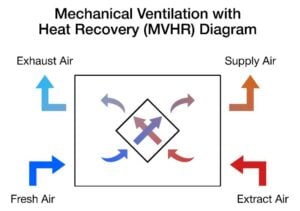
MVHR, or Mechanical Ventilation with Heat Recovery, is a ventilation system designed to improve energy efficiency. It works by bringing fresh air into a home while removing stale air. MVHR systems have a heat exchanger that transfers warmth from outgoing air to incoming air. This process reduces the need for additional heating, especially in colder months. By using MVHR, you can maintain a comfortable indoor temperature with less energy. It also helps improve indoor air quality by filtering out dust and pollutants. Overall, MVHR is both eco-friendly and cost-effective.
What are MVHR filters?
MVHR filters are essential parts of the ventilation system. They clean the incoming and outgoing air, trapping dust, pollen, and pollutants. This helps keep indoor air fresh and healthy. There are different filter types, including coarse and fine filters, each capturing particles of varying sizes. High-quality filters can even block allergens and pollutants, making air cleaner. Regular filter maintenance is important, as dirty filters reduce system efficiency. Clean filters allow air to flow freely and help the MVHR system save energy. By filtering air, MVHR improves air quality and home comfort.
How can MVHR filters reduce energy usage?
Regularly replacing MVHR filters helps the system run efficiently. Clean filters allow air to move smoothly through the system. When filters are clogged, the system works harder to push air through. This increases energy usage and reduces efficiency. Fresh filters also improve air quality, removing more dust and allergens. By reducing strain on the system, clean filters can lower energy bills over time. Regular replacement is a simple way to keep the MVHR system efficient. In the long run, it helps reduce overall energy consumption.
How can MVHR systems reduce heating and cooling costs?
An MVHR system has key components that lower heating and cooling costs. First, the heat exchanger captures warmth from outgoing air. This warmth then transfers to the incoming fresh air without mixing the two. Fans move air efficiently, keeping the flow steady and controlled. Filters clean incoming and outgoing air, improving air quality and system efficiency. Ducts carry air around the home, ensuring every room gets fresh, filtered air. Together, these components minimise heat loss, reducing the need for extra heating. By reusing heat, the MVHR system lowers both heating and cooling costs year-round.
What are the practical benefits of using an MVHR system to reduce costs?
MVHR systems offer practical benefits for the home. They improve insulation by preventing heat from escaping during ventilation. This helps maintain a stable indoor temperature throughout the year. MVHR provides precise temperature control by balancing incoming and outgoing air. It reduces the need for extra heating or cooling. By reusing heat, MVHR systems create significant energy savings over time. Additionally, they ensure a steady supply of fresh air, improving air quality without losing warmth. With lower energy use and better temperature control, MVHR makes homes both comfortable and cost-effective.
Can MVHR help reduce my energy bills?
MVHR systems are especially effective in well-insulated homes. In winter, they prevent heat loss while supplying fresh air, reducing heating costs. In airtight, modern homes, MVHR prevents stale air buildup without needing open windows, which conserves warmth. They’re also ideal in humid areas, where moisture control reduces mould risks. Homes with allergies benefit too, as MVHR filters out pollen and pollutants. In urban areas, MVHR keeps outdoor noise out, since windows stay closed for ventilation. Overall, MVHR is impactful in climates with high heating or cooling demands and in energy-efficient buildings.
How can I keep my MVHR system working efficiently?
Regularly replacing MVHR filters directly connects to energy savings and healthier indoor environments. Clean filters improve airflow, reducing strain on the system. This efficiency lowers energy consumption and cuts utility bills. Improved airflow also enhances air quality by effectively trapping dust, allergens, and pollutants. With cleaner air, occupants experience fewer respiratory issues and better overall health. Additionally, reduced airborne contaminants contribute to a more comfortable living space. By maintaining clean filters, homeowners achieve both energy efficiency and a healthier indoor environment. This dual benefit makes regular filter replacement an essential maintenance practice.
Are MVHR systems sustainable?
MVHR systems play a vital role in sustainable home design. They enhance energy efficiency by reusing heat from outgoing air. This reduces the need for conventional heating, lowering energy consumption. By maintaining indoor air quality, MVHR supports a healthier living environment. Sustainable homes often focus on airtightness, and MVHR systems complement this by providing ventilation without heat loss. Using renewable energy sources for operation further increases sustainability. Additionally, MVHR systems contribute to reducing carbon footprints by minimising energy waste. Overall, they are essential for eco-friendly designs and long-term energy savings.
Should I use MVHR in my new build?
When installing MVHR in new build homes, start with careful planning of duct layout. Ensure the unit is centrally located for optimal performance. Choose the right size for the system based on your home’s specifications. Insulate ductwork to prevent heat loss and maintain energy efficiency. Position vents in each room to ensure balanced air distribution. Opt for high-efficiency filters to improve air quality and reduce energy consumption. Consider incorporating smart controls to adjust settings based on occupancy. Lastly, work with experienced installers to ensure proper integration with other energy-efficient features. This approach maximises both comfort and energy savings.
Can I retrofit an energy efficient MVHR system?
When installing MVHR in an existing home, assess the current ventilation system first. Identify areas needing improved airflow and air quality. Seal any air leaks in ducts to enhance efficiency. Choose a compact MVHR unit suitable for your space. Position the unit in a central location for optimal performance. Install ductwork within insulated spaces to minimise heat loss. Ensure vents are placed in key rooms for even air distribution. Opt for high-efficiency filters to improve indoor air quality. Regular maintenance, including filter changes, will sustain energy efficiency. Consulting professionals can help ensure a successful installation process.
Which MVHR brands are energy efficient?
Several manufacturers are known for producing high-quality MVHR systems. One notable brand is Vent-Axia, which offers a range of energy-efficient units. Their systems are designed to recover heat effectively, reducing energy consumption. Vent-Axia units often feature advanced controls that optimise performance based on home occupancy. Another leading manufacturer is Nuaire, renowned for their focus on energy efficiency and ease of installation. Many Nuaire systems incorporate low-energy fans, further reducing electricity use and enhancing performance.
Envirovent is also a prominent player in the MVHR market. Their units are designed to achieve high heat recovery rates, minimising energy loss during ventilation. Envirovent systems prioritise user comfort and energy efficiency, making them suitable for modern homes. Vectaire offers energy-efficient MVHR solutions as well, focusing on compact designs that fit easily into existing spaces. Each of these manufacturers prioritises sustainability, helping homeowners achieve significant energy savings and improved indoor air quality. Investing in these high-quality systems can lead to long-term benefits for both the environment and household budgets.
Will I spend less on energy bills with an MVHR system?
Using an MVHR system can significantly reduce heating costs in your home. By recovering heat from outgoing air, it warms incoming fresh air. This process means less energy is required for heating spaces, resulting in lower utility bills. With an MVHR system, you maintain a comfortable indoor temperature without relying heavily on your heating system. This efficiency is particularly beneficial during the colder months when heating costs can soar.
Additionally, an MVHR system helps prevent heat loss in well-insulated homes. It ensures fresh air circulation while retaining warmth, enhancing overall energy efficiency. By maintaining balanced ventilation, you avoid drafts and cold spots, which often lead to excessive heating use. Over time, these savings add up, providing a quick return on your investment. Regular maintenance of the system, such as changing filters, further optimises performance and savings. Overall, an MVHR system is a smart choice for reducing heating expenses and improving home comfort.
Are MVHR systems efficient all year round?
MVHR systems offer seasonal benefits for both heating and cooling cost reductions. In winter, they recover heat from outgoing air, warming incoming fresh air. This process minimises the need for additional heating, lowering energy bills. During summer, MVHR helps maintain comfortable indoor temperatures by providing ventilation without introducing hot outdoor air. It also reduces reliance on air conditioning, further cutting cooling costs. By balancing indoor temperature throughout the year, MVHR systems create a comfortable environment. This efficiency leads to significant energy savings in both heating and cooling seasons, making them a valuable investment for homeowners.
How do I choose the right MVHR system for me?
Choosing the best MVHR system depends on your home design and specific energy goals. First, assess your home’s size and layout. The system must be appropriately sized for efficient operation. A well-designed layout allows for optimal duct placement and airflow, enhancing overall performance. Consider the insulation level of your home; better insulation can influence the type of system needed.
Next, identify your energy goals, such as reducing heating costs or improving air quality. If energy efficiency is a priority, look for units with high heat recovery rates. Some systems offer advanced controls for tailored performance based on occupancy patterns. Additionally, consider whether you want a compact system for easier installation in existing homes. Ultimately, choosing the right MVHR system can significantly impact your home’s energy efficiency and comfort.
Common MVHR energy mistakes
Common MVHR mistakes can hinder energy savings and system performance. One frequent error is improper sizing of the unit. Always consult a professional to ensure the system fits your home’s specifications. Another mistake is neglecting regular maintenance, such as changing filters. Dirty filters reduce airflow and efficiency, leading to higher energy costs. Additionally, poor duct installation can cause leaks, wasting valuable heated or cooled air. To avoid this, ensure all ducts are sealed correctly and insulated. Finally, failing to utilise advanced controls can limit potential energy savings. Use programmable settings to optimise operation based on occupancy patterns. By addressing these common mistakes, you can maximise the energy efficiency of your MVHR system.
Can MVHR.shop compatible filters help with my energy goals?
Using MVHR.shop compatible filters can significantly help keep energy costs down. These filters are designed for optimal airflow, ensuring efficient system performance. When filters are clean and compatible, they enhance the MVHR system’s ability to recover heat. This efficiency reduces the workload on the heating system, leading to lower energy consumption. Additionally, high-quality filters capture more dust and allergens, improving indoor air quality. Better air quality contributes to a healthier living environment and comfort. Regularly replacing these filters maintains efficiency and prevents costly repairs. Overall, using compatible filters from MVHR.shop supports both energy savings and system longevity.
In Summary…
In conclusion, MVHR systems provide a practical solution for improving energy efficiency in homes. By effectively recovering heat, they reduce reliance on heating and cooling systems. This leads to significant savings on energy bills throughout the year. Additionally, the systems enhance indoor air quality, creating a healthier living environment. Regular maintenance, such as replacing filters, ensures optimal performance and longevity.
Investing in an MVHR system is a wise choice for homeowners seeking comfort and sustainability. With brands like Vent-Axia, Nuaire, Envirovent, and Vectaire offering reliable options, there’s a suitable solution for every home. By choosing MVHR, you not only lower your energy costs but also contribute to a more sustainable future. Embracing energy-efficient technologies benefits both your wallet and the environment, making MVHR systems a smart investment for any household.