Condensation in homes can lead to damp, mould, and discomfort, affecting your health and damaging your property over time. Mechanical Ventilation with Heat Recovery (MVHR) systems offer an effective solution, reducing indoor humidity by replacing stale air with fresh, pre-warmed air. This article will explain how MVHR systems work, their benefits in preventing condensation, and how they enhance overall indoor efficiency. We will also cover installation considerations, maintenance tips, and the long-term savings these systems can offer.
What is MVHR?
Mechanical Ventilation with Heat Recovery (MVHR) is a system designed to improve indoor air quality by reducing humidity. It works by extracting stale, moist air from rooms like kitchens and bathrooms, then supplying fresh air to living spaces. MVHR uses a heat exchanger to transfer warmth from outgoing air to the fresh incoming air. This process maintains a comfortable temperature without needing extra heating, reducing energy use and costs. MVHR systems are particularly effective in well-insulated homes, where natural ventilation can be limited. Overall, MVHR ensures fresh, balanced airflow with minimal heat loss.
What is Heat Recovery Ventilation?
Heat Recovery Ventilation (HRV) is a system that provides fresh air while retaining heat from the outgoing, stale air. It captures warmth from the extracted air and uses it to pre-warm incoming fresh air. This process ensures comfortable indoor temperatures without requiring extra heating, even during colder months. HRV systems are particularly effective in airtight, energy-efficient homes with limited natural airflow. By reducing the need for additional heating, they help lower energy bills and maintain consistent comfort. Overall, HRV systems improve air quality and conserve energy, creating a healthier indoor environment.
How does MVHR Work?
MVHR works by extracting warm, stale air from areas like kitchens and bathrooms, capturing heat before it exits the home. Fresh air is drawn in from outside and passes through a heat exchanger, where it’s pre-warmed by the outgoing air. This process reduces the need for additional heating, maintaining comfortable indoor temperatures year-round. The fresh, filtered air is then circulated into living spaces, creating a consistent, balanced airflow throughout the home. MVHR units operate continuously, keeping humidity low and improving air quality by removing moisture, pollutants, and allergens.
How does MVHR Help Reduce Energy Bills?
MVHR systems can recover up to 90% of the heat from outgoing air, significantly improving energy efficiency in homes. By transferring heat to incoming fresh air, they reduce the energy required for heating, especially during winter months. This heat recovery process minimises the reliance on conventional heating systems, leading to lower energy bills. Homeowners often notice substantial savings as MVHR reduces the demand for additional heating while maintaining comfortable indoor temperatures. Over time, these savings can offset the initial costs of installation, making MVHR a financially viable option for energy-conscious households. Overall, heat recovery contributes to more sustainable living.
How Does MVHR Remove Humid Air From The House?
MVHR systems effectively remove damp air from the house by continuously extracting moisture-laden air from high-humidity areas. Stale air is drawn from kitchens, bathrooms, and laundry rooms, where humidity levels are typically higher. This process not only reduces moisture but also helps prevent mould and mildew growth. As moist air is expelled, fresh, filtered air enters the home, promoting better indoor air quality. The continuous exchange of air keeps humidity levels balanced, ensuring a comfortable environment throughout the year. By addressing dampness at its source, MVHR systems contribute to a healthier and more enjoyable living space.
How MVHR Circulates Warm Air Throughout the Home
MVHR systems efficiently move warm air around the house by using strategically placed ductwork. As warm air rises, it is extracted from various rooms, especially those with higher temperatures. This stale air passes through the heat exchanger, where its warmth is transferred to incoming fresh air. Simultaneously, the heat exchanger ensures that the indoor temperature remains consistent and comfortable. The newly warmed air is then distributed throughout the living spaces, promoting a balanced and pleasant atmosphere. This circulation of warm air prevents cold spots, ensuring every room benefits from the system’s heat recovery capabilities. Overall, MVHR enhances comfort by optimally managing indoor temperatures.
What is Condensation?
Condensation in the house occurs when warm, moist air comes into contact with cooler surfaces, leading to water droplets forming. This phenomenon often happens in areas with high humidity, such as kitchens and bathrooms. Common causes of condensation include cooking, showering, and even breathing, which all release moisture into the air. When warm air cools down against cold walls, windows, or ceilings, it loses its ability to hold moisture, resulting in condensation. Over time, excessive moisture can lead to dampness, mould growth, and damage to walls and furnishings. Addressing condensation is essential for maintaining a healthy, comfortable living environment.
What are the Common Causes of Condensation?
Common causes of condensation include everyday activities that generate moisture, such as cooking, bathing, and drying laundry indoors. Cooking releases steam into the air, while hot showers create significant humidity in bathrooms. Even breathing contributes to indoor moisture levels, especially in poorly ventilated spaces. Other factors include inadequate insulation, which allows warm air to cool rapidly against cold surfaces. Cold windows and walls are also prime spots for condensation to occur. Additionally, seasonal changes can increase humidity indoors, especially during colder months when windows are kept closed. Identifying these sources is crucial for effective condensation prevention and control.
How Do Badly Insulated Houses Cause Condensation?
Badly insulated houses are prone to condensation due to temperature differences between indoor and outdoor environments. When insulation is insufficient, warm air inside can escape through walls, roofs, and floors. This creates cold surfaces where warm, moist air condenses into water droplets. Common areas affected include windows, exterior walls, and corners, where cold spots often form. Poor insulation fails to maintain a consistent indoor temperature, causing warm air to cool rapidly. As a result, the excess moisture remains trapped, leading to dampness and potential mould growth. Improving insulation can significantly reduce condensation issues and create a healthier living environment.
How Do Damaged Window and Door Seals Cause Condensation?
Damaged window and door seals can lead to increased condensation due to the loss of airtightness in a home. When seals are worn or broken, cold air can enter while warm, moist air escapes, creating temperature differences. This allows warm indoor air to come into contact with cold surfaces, such as glass and frames, where condensation forms. Inadequate insulation around windows and doors further contributes to this issue, as cold drafts increase the likelihood of moisture build-up. Additionally, when seals fail, humidity levels can rise indoors, leading to further condensation issues. Regularly inspecting and maintaining seals can help prevent this problem effectively.
What Causes Condensation in Bathrooms?
Condensation in bathrooms is primarily caused by the high levels of moisture generated during daily activities like bathing and showering. When hot water is used, steam is released into the air, raising humidity levels significantly. As warm, moist air rises, it comes into contact with cooler surfaces such as mirrors, tiles, and windows, leading to condensation. Inadequate ventilation further exacerbates this issue, trapping humidity inside the room. Without proper airflow, the moisture has nowhere to escape, resulting in water droplets forming on surfaces. Regularly using exhaust fans and keeping doors open can help mitigate condensation and improve air quality.
What Causes Condensation in Kitchens?
Condensation in kitchens is primarily caused by cooking activities that generate significant amounts of moisture. Boiling water, frying, and baking all release steam into the air, increasing humidity levels. For instance, boiling a pot of water can produce several litres of steam in a short period. Additionally, using dishwashers without proper ventilation contributes to moisture accumulation, as hot water evaporates during cycles. Poorly insulated windows and walls in kitchens can exacerbate condensation, as warm, moist air comes into contact with cooler surfaces. Without adequate ventilation, such as extractor fans or open windows, this excess humidity can lead to condensation and potentially damp.
How does Doing Laundry Cause Condensation?
Doing laundry indoors can significantly contribute to condensation due to the moisture released during the drying process. When wet clothes are hung to dry, they release water vapour into the air, raising humidity levels in the room. A typical load of laundry can generate up to 5 litres of moisture, especially if air-dried without proper ventilation. In poorly ventilated spaces, this excess humidity cannot escape, leading to condensation on walls, windows, and ceilings. The cooler surfaces in the room exacerbate the problem, causing warm, moist air to condense into water droplets. Using a dryer with proper ventilation or ensuring good airflow can help minimise condensation.
Everyday Activities and Their Impact on Indoor Condensation Levels
Everyday activities in a house can produce significant amounts of condensation, particularly during showering and cooking. A single hot shower can release up to 2.5 litres of moisture into the air within a short time. Cooking on the stove can generate approximately 1 litre of steam, especially when boiling water or frying. Additionally, activities like drying laundry indoors can add further moisture, potentially exceeding 5 litres depending on the amount of clothes. Even breathing contributes to indoor humidity, particularly in enclosed spaces. Collectively, these actions can lead to excessive moisture levels, increasing the risk of condensation, dampness, and mould growth.

How Condensation Leads to Mould Growth in the Home
Condensation creates the perfect environment for mould growth in the home by providing moisture on surfaces where it collects. When warm, moist air meets cold surfaces, such as walls, windows, or ceilings, water droplets form, increasing humidity levels. This persistent dampness allows mould spores to thrive, as they require moisture to grow. Common areas affected include bathrooms, kitchens, and poorly ventilated spaces, where condensation is frequent. If left untreated, mould can spread rapidly, causing structural damage and health issues for occupants. Addressing condensation promptly is essential for preventing mould growth and maintaining a healthy living environment.
Common Types of Mould Resulting from Untreated Condensation
Untreated condensation can lead to the growth of various types of mould, which pose health risks and structural issues. Black mould, or Stachybotrys chartarum, is one of the most notorious types, often appearing in damp areas like bathrooms and kitchens. Aspergillus is another common mould, which can be found on walls and ceilings, especially in poorly ventilated spaces. Penicillium may develop on surfaces exposed to moisture, such as carpets and wallpaper. Additionally, Cladosporium can thrive on both organic and inorganic materials, contributing to respiratory problems. Recognising and addressing these mould types promptly is essential for maintaining a healthy home environment.
Health Implications of Untreated Dampness in the Home
Not treating dampness in the home can lead to various health issues for residents. Mould growth is a common consequence of dampness, which can trigger allergic reactions and respiratory problems. Individuals with asthma or weakened immune systems may experience worsened symptoms and increased difficulty breathing. Additionally, persistent dampness can contribute to the development of chronic respiratory conditions, such as bronchitis or pneumonia. Exposure to damp environments may also lead to skin irritations and exacerbate existing allergies. Long-term exposure to mould and damp conditions can significantly impact overall well-being and quality of life. Addressing damp issues promptly is essential for maintaining a healthy home environment.
Health Risks of Damp Environments for Children
Failing to treat dampness in the home can pose serious health risks, particularly for children. Young children are more susceptible to respiratory issues caused by mould and damp conditions. Exposure can trigger asthma attacks, allergic reactions, and chronic coughs, impacting their overall health and development. Damp environments can also lead to increased incidence of colds and infections, as children’s immune systems may be compromised. Additionally, prolonged exposure to dampness may affect children’s sleep quality, leading to fatigue and poor concentration in school. Ensuring a dry and healthy living environment is essential for safeguarding children’s health and well-being.
Health Concerns of Damp Living Conditions for Older Adults
Neglecting dampness in the home can have serious health implications for older adults, who are often more vulnerable. Exposure to mould and damp conditions can exacerbate respiratory issues. These include: chronic obstructive pulmonary disease (COPD) and asthma, leading to increased hospital visits. Additionally, older adults may experience weakened immune systems, making them more susceptible to infections and illnesses linked to damp environments. Prolonged exposure to dampness can also result in fatigue, discomfort, and reduced mobility, affecting overall quality of life. Creating a dry, healthy living space is essential for ensuring the well-being and safety of older individuals.
Long-Term Damage to Buildings from Untreated Condensation
Untreated condensation can cause significant damage to a building over time, leading to costly repairs and structural issues. As moisture accumulates on surfaces, it can weaken materials, causing wood to rot and metals to corrode. This deterioration often results in compromised structural integrity, affecting beams, joists, and wall studs. Additionally, untreated dampness can lead to mould growth, which not only damages building materials but can also impact indoor air quality. Paint and wallpaper may peel, and ceilings can develop unsightly stains, further diminishing the property’s aesthetic appeal. Regularly addressing condensation is crucial for protecting a building’s value and longevity.
Why is My Wallpaper Peeling?
Condensation can cause wallpaper to peel by introducing excess moisture into the walls, weakening the adhesive that holds it in place. When warm, moist air comes into contact with cold surfaces, it condenses and seeps into the wall structure. This moisture can saturate the wallpaper, causing it to lose its bond with the wall. Over time, the edges may start to lift, leading to unsightly bubbles or even complete detachment. Additionally, prolonged exposure to moisture creates an environment conducive to mould growth, further damaging the wallpaper. Addressing condensation issues promptly is essential for preserving the integrity and appearance of your wallpaper.
How Recent Media Coverage Highlights Mould Issues in Rented Accommodation
Recent press coverage has brought significant attention to mould issues in rented accommodation, shedding light on tenant struggles. Numerous reports have featured alarming stories of tenants facing serious health problems due to mould exposure in their homes. Investigative journalism has revealed inadequate responses from landlords and letting agents, who often fail to address mould complaints effectively. This increased media scrutiny has prompted public outrage, leading to calls for stricter regulations and better tenant protections. As awareness grows, many tenants are now more informed about their rights regarding damp and mould, pushing for improved living conditions in rented properties.
Why Should Landlords Address Condensation and Mould Issues?
It is crucial for landlords to treat condensation and mould growth in rental properties to ensure tenant safety and health. Failure to address these issues can lead to serious legal ramifications, as landlords have a legal obligation to provide habitable living conditions. If tenants experience health problems due to mould exposure, landlords may face liability for damages and potential claims for compensation. Moreover, persistent mould can cause significant structural damage to properties, resulting in costly repairs. By proactively addressing condensation and mould issues, landlords protect their investments and avoid costly repairs. They also foster positive relationships with tenants and maintain compliance with housing regulations.
How MVHR Systems Effectively Manage Condensation
MVHR systems help treat condensation by maintaining optimal indoor humidity levels through continuous ventilation. By extracting warm, moist air from kitchens and bathrooms, MVHR reduces the overall humidity in the home. The heat exchanger within the system transfers warmth to incoming fresh air, minimising heat loss. This ensures a steady flow of fresh air. This process prevents dampness on cold surfaces, which is a primary cause of condensation. Additionally, MVHR systems improve air circulation throughout the home, further reducing moisture build-up. Overall, they provide an efficient solution for managing condensation, creating a healthier and more comfortable living environment.
How Much Moisture Can MVHR Remove from a Damp Property?
MVHR systems can effectively remove a significant amount of moisture from damp properties, improving overall indoor air quality. On average, an MVHR system can extract up to 80% of the humidity from incoming air. This translates to several litres of moisture removed daily, depending on the size of the property and the level of humidity present. By continuously replacing stale, damp air with fresh, filtered air, MVHR systems help maintain optimal humidity levels. As a result, they prevent condensation and mould growth, creating a healthier living environment. The consistent moisture control offered by MVHR is essential for maintaining comfortable and dry homes.
Which MVHR Manufacturers Aid in Condensation Control?
MVHR manufacturers like Vent-Axia, Nuaire, and Envirovent provide effective solutions for controlling condensation in homes. Vent-Axia offers a range of MVHR systems designed to enhance indoor air quality while minimising moisture levels. Nuaire’s innovative products focus on energy efficiency and effective ventilation, ensuring optimal moisture management in various living spaces. Envirovent is known for its advanced technology, which helps prevent condensation and mould growth by maintaining balanced humidity levels. Each of these manufacturers delivers reliable MVHR solutions, making them invaluable for homeowners seeking to combat condensation.
How M5 Grade MVHR Filters Combat Mould from Condensation
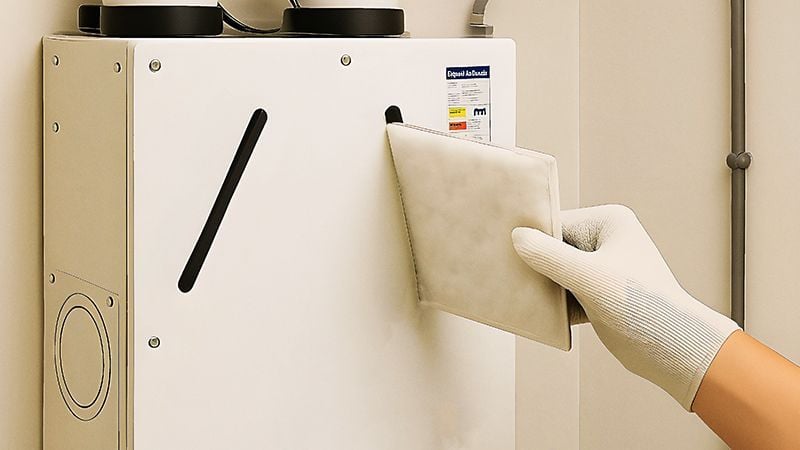
M5 grade MVHR filters play a crucial role in preventing mould growth caused by condensation in indoor environments. These filters are designed to capture fine particles. These including mould spores, dust, and allergens, ensuring that only clean air is circulated throughout the home. By effectively removing these pollutants, M5 filters help maintain better indoor air quality, reducing the likelihood of mould development. Additionally, clean air circulation aids in lowering humidity levels, further minimising condensation on surfaces. Regularly replacing M5 filters ensures that the MVHR system operates efficiently. It also ensures the unit provides optimal ventilation and protection against the harmful effects of mould associated with condensation.
Why MVHR Filters Cannot Be Cleaned and Must Be Replaced
MVHR filters cannot be effectively cleaned and must be replaced regularly to maintain optimal performance. Over time, filters accumulate dust, allergens, and mould spores, which can become deeply embedded in the material. Attempting to clean these filters may not remove all contaminants, potentially leading to diminished air quality. Furthermore, cleaning can damage the filter structure, reducing its effectiveness in capturing pollutants. Regular replacement ensures that your MVHR system operates efficiently, providing clean, filtered air throughout your home. For optimal indoor air quality, it is essential to follow manufacturer guidelines for replacing MVHR filters.
Why Choose MVHR.shop for Your Replacement MVHR Filters?
Purchasing compatible replacement MVHR filters from MVHR.shop ensures you receive high-quality products tailored for your ventilation system. The website offers a wide range of filters specifically designed to fit various MVHR models, ensuring optimal performance and efficiency. By sourcing your filters from MVHR.shop, you can trust in the quality and reliability of each product, as they meet strict industry standards. Additionally, their user-friendly website makes it easy to find the right filters for your system, with clear specifications and guidance. Regularly replacing your filters from MVHR.shop helps maintain excellent indoor air quality while prolonging the life of your MVHR system.
In Summary…
In conclusion, managing condensation is essential for maintaining a healthy and comfortable living environment. MVHR systems effectively control humidity by continuously ventilating homes and removing excess moisture. Manufacturers like Vent-Axia, Nuaire, and Envirovent offer reliable solutions to combat mould growth caused by condensation. Using M5 grade filters enhances indoor air quality by capturing mould spores and allergens, further preventing mould issues. Purchasing compatible replacement filters from MVHR.shop ensures optimal performance and efficiency, protecting your investment in ventilation systems. By addressing condensation proactively, homeowners can significantly improve their indoor air quality and overall well-being.