

Ensuring a healthy and pleasant indoor living environment relies on maintaining excellent indoor air quality. One aspect that should not be underestimated is clean MVHR filters. These filters are a fundamental component of Mechanical Ventilation with Heat Recovery systems, capturing pollutants and ensuring fresh air circulation.
In this article, we will provide you with clear instructions for cleaning your MVHR filters. By doing so, you can create a clean atmosphere for yourself and those you live with.
Can All MVHR Filters be Cleaned?
Yes, however cleaning only prolongs their lifespan. While MVHR filters can be cleaned, it’s important to acknowledge that they will inevitably need replacing. Typically, it’s advised to change most MVHR filters every 6 to 12 months, depending on the environment they’re installed in.
Why do MVHR Filters get Dirty?
MVHR filters amass dirt and debris as a result of their role in capturing airborne particles. Routine actions such as cooking, dusting, shedding pet fur and outdoor pollutants all contribute to this accumulation.
The environment in which an MVHR unit is situated also impacts the speed and extent of dirt build-up. Units located near busy roads or construction, for example, often experience accelerated dirt accumulation due to elevated levels of pollutants and dust.
Why do you need to Clean MVHR Filters?
Frequent cleaning of MVHR filters holds significant importance for several reasons. Firstly, it preserves efficient airflow, thus guaranteeing optimal ventilation. Secondly, it reduces the accumulation of dirt and debris that could hinder the filters, diminishing their efficacy. By cleaning the filters, you improve their performance, extend their operational life and maximise the overall durability of the system.
When should I Clean my MVHR Filters?
Recognising the appropriate time to clean MVHR filters is important to maintaining their efficiency. Indications of a dirty filter are reduced airflow, unpleasant odours and the accumulation of dust. Regular examination will determine the suitable moment to clean the filters, thereby guaranteeing the system’s optimal performance.
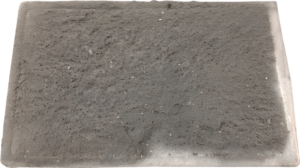
A visual assessment is often enough to see whether the filters are dirty. Generally, they assume a dark grey hue as they gather dust and pollutants, serving as a clear indication of contamination.
What tools do I need to Clean an MVHR System?
Before starting the cleaning process for MVHR filters, appropriate preparation is needed. Begin by turning off the system and finding the filter compartment. Next, ensure you have the essential tools and cleaning equipment, then remove the filters.
For cleaning an MVHR system, you’ll need the following household items:
- Vacuum cleaner.
- Soft brush.
- Clean dusting cloth.
How to Clean an MVHR Filter
To begin, use a vacuum cleaner equipped with a soft brush attachment. Carefully vacuum both sides of the filters to extract dust and debris, while maintaining the integrity of the filter material.
While the filter is removed from the MVHR machine, use a brush or a cloth to remove any interior surplus dust or obstructions. Exercise caution to avoid any damage to components during the cleaning process.
After the filters and machine have been thoroughly cleaned, reinsert the filters into their designated slots. If applicable, close of the filter compartments. Conclude by reactivating the system, restoring its usual operations.
How Often Should I Clean my MVHR Filters?
The frequency of MVHR filter cleaning can differ based on the environment. As a rule, it is advised to clean or replace the filters every 6 to 12 months. However, in environments with increased pollutants, more frequent cleaning may be necessary. Look out for indicators such as reduced performance or unpleasant odours, which suggest the need for either cleaning or replacement.
DIY Maintenance versus Professional Servicing
Maintaining an MVHR system requires a blend of do-it-yourself upkeep and professional servicing. The DIY aspect includes routine filter cleaning and replacement, visual assessments and checking for unobstructed airflow. Meanwhile, professional maintenance includes deep cleaning, servicing and system evaluations.
DIY maintenance is cost-effective but may lack specialised knowledge, whereas professional servicing guarantees thorough care albeit at a higher expense. Combining these two approaches can improve the efficiency and lifespan of your MVHR system, leading to better results.
In Summary…
In conclusion, cleaning and replacing MVHR filters is essential for ensuring the longevity and effectiveness of your ventilation system. By doing regular maintenance routines, you can mitigate the accumulation of dust and debris that may hinder optimal airflow. Remember that periodic professional servicing can also provide a deeper level of care and that air filters should be replaced every 6 to 12 months.